
Shopping Cart
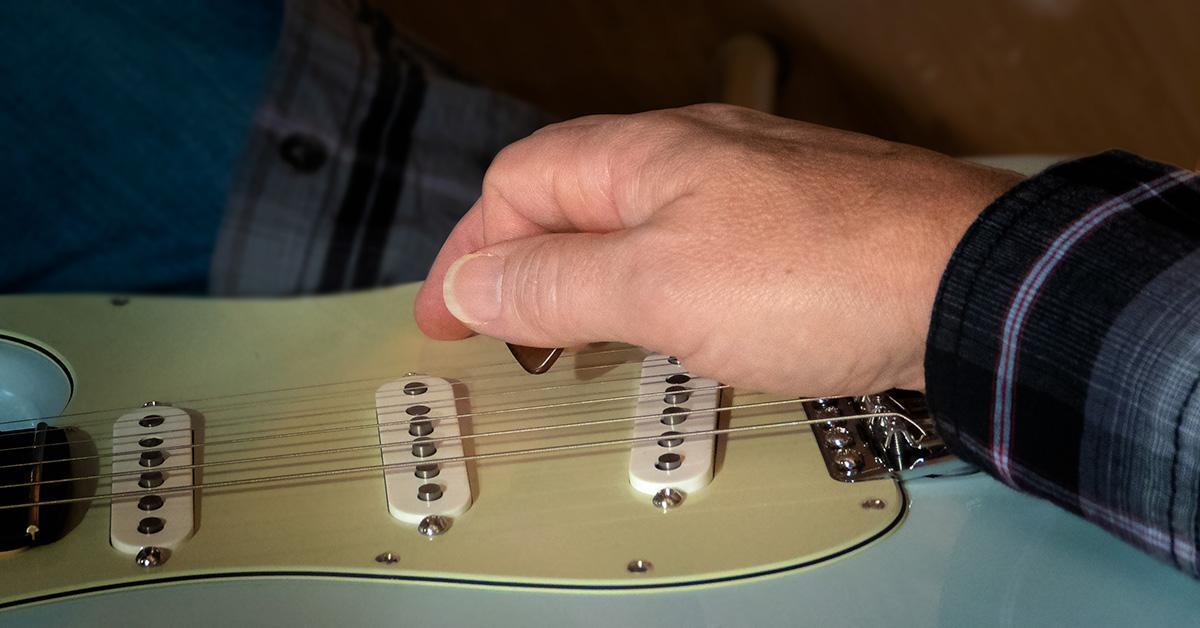
The pick is often underestimated. Yet shape, thickness, and material directly change attack, volume, and comfort. Worth choosing well — or having several depending on style. Here is how to find your way without getting lost in catalogues.
Thickness
- Thin (~0.40–0.60 mm): flexible, ideal for acoustic strumming and light rhythm.
- Medium (~0.60–0.80 mm): versatile, an excellent starting point.
- Heavy / extra heavy (~0.80 mm and up): more precision, firm attack, solos and precise picking.
In general, the thicker it is, the firmer the attack and the faster the pick “returns” under the fingers. The thinner it is, the more it flexes and softens rhythm playing.
Shape and material
The rounded triangle remains the standard. Other shapes (pointier, wider, “jazz” type) change tip precision.
Material changes the result: celluloid (classic), nylon (flexible), Ultex / Tortex (responsive), or even wood, glass, or metal for particular textures. A harder material often gives a clearer attack; a softer one, a gentler response.
How to choose in practice
- Try several thicknesses on your usual strings (gauge also changes how the pick responds).
- Strum and play precise lines: the feel is not the same.
- Do not hesitate to keep several picks by style (folk by day, rock by night).
There is no universal “perfect” pick — only the one that disappears between your fingers while you play. Take time to try: it is cheap, and the comfort gain is immediate.
Source : Fender – Take Your Pick / Sweetwater – How to Choose a Guitar Pick