
Shopping Cart
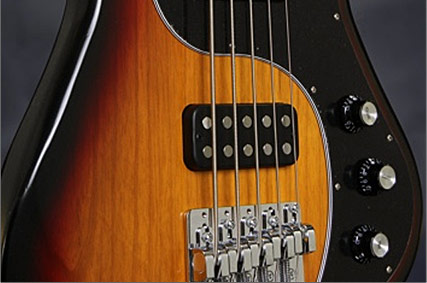
Strings make a huge part of a bass’s tone. Before you buy, clarify four points: gauge, winding type, material, and length (scale). A bad choice and the bass feels less comfortable… or sounds “off” from what you want.
Gauge
People often say “105” to mean the diameter of the lowest string (in thousandths of an inch). Thicker means more tension and more bottom end… and more demand on the fingers. Beginners often gain by starting on a lighter gauge; players who tune down usually go a bit heavier to keep playable tension.
Roundwound, half-round, flatwound…
- Roundwound: the most common — bright, a bit textured under the fingers.
- Half-round: smoother surface (often ground), slightly warmer tone.
- Flatwound: very smooth, little finger noise, round / vintage tone, much loved in jazz or soul.
- Nylon-tapewound: textile / nylon wrap, muted attack, shorter resonance.
Materials and coating
Stainless steel = brighter; nickel alloy = a bit softer; pure nickel = already “broken in”, warmer. Coated / treated strings resist corrosion better and often last much longer, with a slightly smoother feel.
The string core (round or hexagonal) and winding type also change feel: it is not just a brand question.
Scale length
Short (~76–79 cm), Medium, Long (86–89 cm, the most common), or Extra-long: buy strings that match your bass’s vibrating string length. Wrong scale and installation becomes a headache (too short) or leaves useless excess.
When to change?
As soon as the tone dies out, strings are dirty / oxidized, or tuning will not hold. Some change every month, others once a year: it depends on playing, sweat, and style. Flatwounds and coated sets often stay “alive” longer.