Changing acoustic guitar strings
Key points for restringing a steel-string acoustic guitar. Knowing how to change strings quickly and well will keep you motivated to always play on fresh strings!
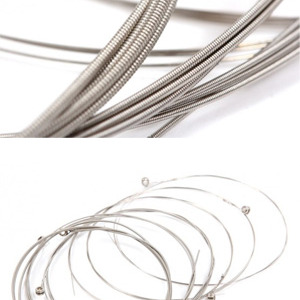
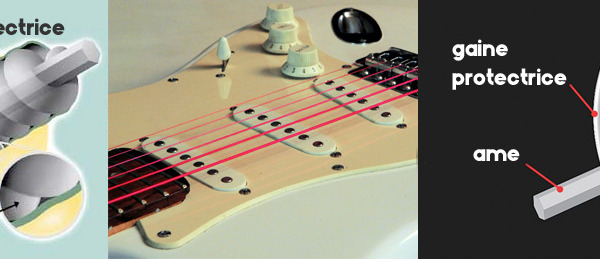
Choosing among materials, coatings, and gauges for electric guitar strings can get complicated fast. Here is a quick guide to help.
Or: how often should you change strings? You change them when they break — but not only then! Several signs tell you your strings are truly worn out.
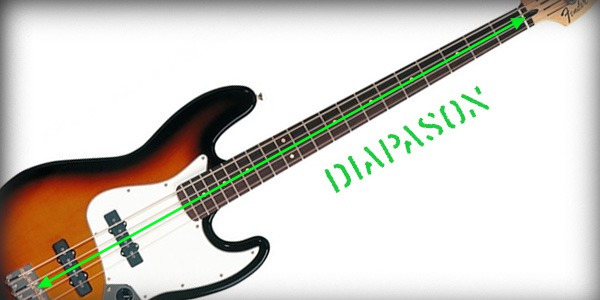
Short, long, extra-long scale… and which diameter for your style? Practical focus on bass gauge + string length.
New strings that go flat constantly? Proper stretching fixes the problem in a few minutes.
Light, medium, heavy: gauge changes comfort as much as tone. Bends, low tunings, folk or electric — how to choose.
Lifespan, feel, and “raw” tone: coated (treated) strings vs classic uncoated sets compared.
Gauge, materials, roundwound / flatwound, coating, and scale: how to choose the right set for your bass.
Bridge knots, wraps at the tuners: nylon restringing is nothing like a steel-string folk. Bass/treble method and pitfalls to avoid.
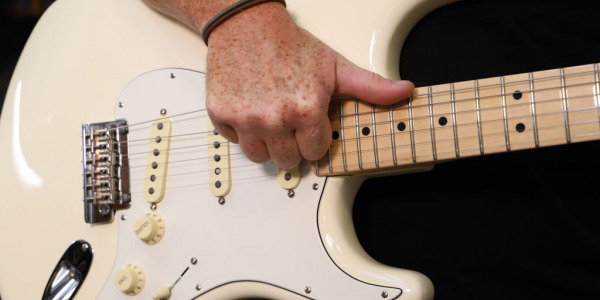
Step-by-step: remove, install, and stabilize a string set on an electric guitar — bridge, tuners, stretching, and tremolo tips.
Bass scale length is the vibrating string length from nut to bridge. It is important to buy strings that match your bass scale (short, medium, long, or extra-long).