
Shopping Cart
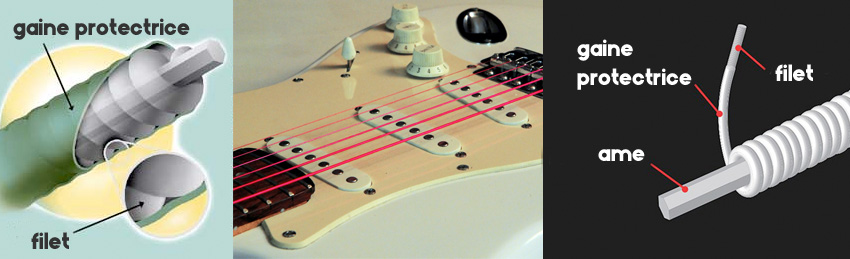
Coated strings carry a thin protective layer that limits oxidation from sweat and skin oils. The idea: a barrier against grime and corrosion, to keep a clear tone longer.
How it works
Depending on the maker, the coating may wrap the whole wound string, or treat the wrap wire itself. In both cases the goal is the same: stop sweat and residue from lodging between the wraps, where metal oxidizes fastest.
Advantages of coated strings
- Often last much longer than a classic set
- Stay cleaner, less “sticky” to the touch
- Ideal if you sweat a lot, play often, or hate changing strings every two weeks
- On acoustic, bronze oxidizes more slowly: brightness holds better
The limits (a matter of taste)
- Feel a bit smoother / different from “bare” windings
- Tone sometimes judged a little less “raw” at the very start (many players no longer notice after a few hours)
- Slightly higher price… often offset by lifespan
Classic (uncoated) strings: for whom?
If you love the maximum sparkle of brand-new strings, change sets often, or want a very direct feel on the windings: stay uncoated.
In summary
You play a lot and want to space out changes → coated strings. You change regularly and want maximum immediate sparkle → classic set. Best is still to try both on the same instrument, same gauge, same brand if possible: you will really feel the difference in touch and how long they hold up.